
Aspirin can reduce the risk of cancer - and we're starting to understand why
By Kurdo
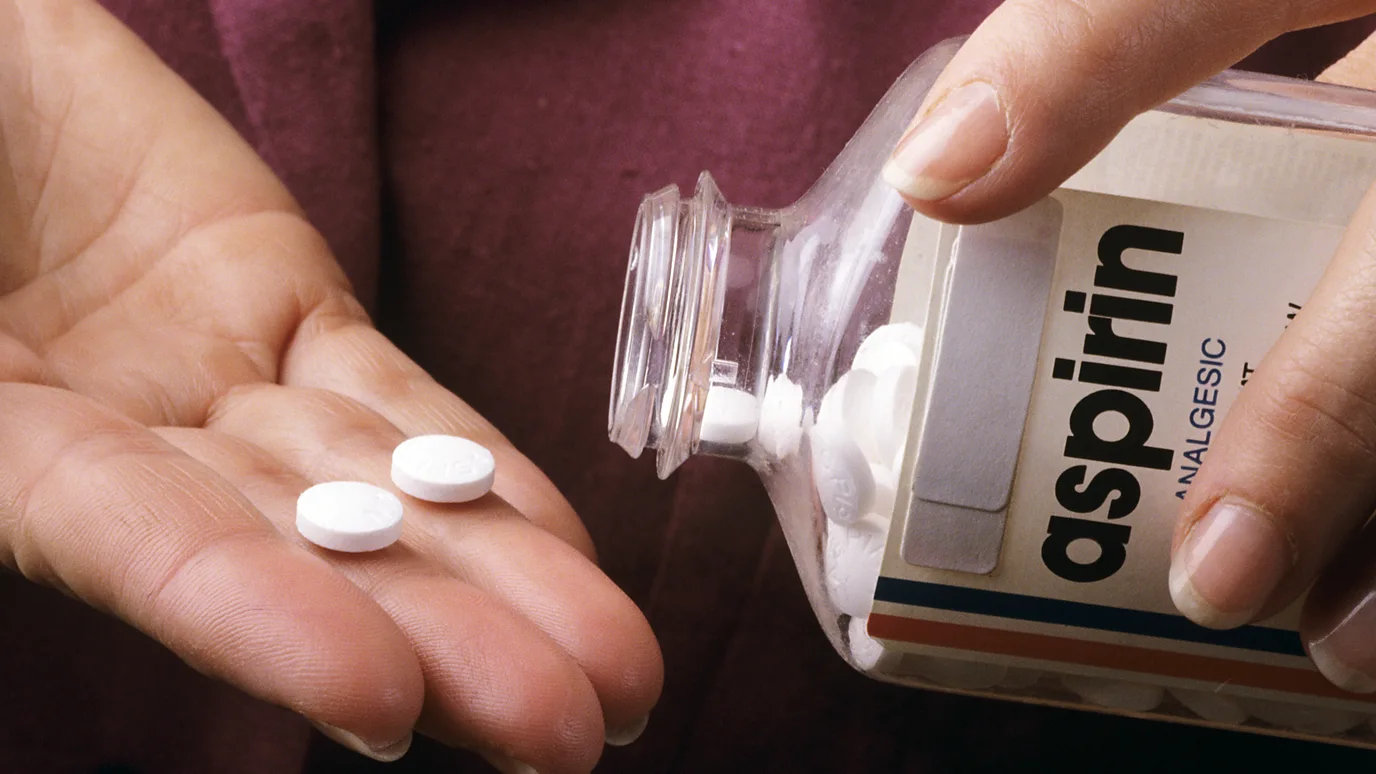
The 4,000-year-old drug, most commonly used to treat pain, prevents certain tumours from forming and spreading across the body – findings that are already changing health policies.
Nick James, a British furniture maker in his mid-40s, first became concerned about his health after his mother died from cancer and his brother, along with several other family members, later developed bowel cancer. He opted to undergo genetic testing, and was found to be carrying a faulty gene which causes Lynch Syndrome, a condition that significantly increases the risk of developing that type of cancer.
Help came from an unexpected place, however, when James became the first person to sign up for a clinical trial that set out to test whether a daily dose of aspirin – the over-the-counter painkiller – could protect against developing cancer.
Depending on the type of gene mutation, 10-80% of people with Lynch syndrome will get bowel cancer during their lifetime. But so far, things are looking good for James. "He's been on aspirin now with us for 10 years without any cancer so far," says John Burn, a professor of clinical genetics at Newcastle University, who led the trial.
It sounds almost impossible to believe, yet there have long been indications that the drug might reduce the chances of colorectal cancer spreading, or even occurring in the first place. In the past year, a string of trials and studies have strengthened such evidence. Some countries have already changed their medical guidelines to include the pill as a first line of protection for those who are most at risk (though experts stress that this should only be done under your doctor's supervision). And we're finally beginning to understand the reasons why it has such a mysterious effect.