
Climate change is supercharging pollen and making allergies worse
By Ahang
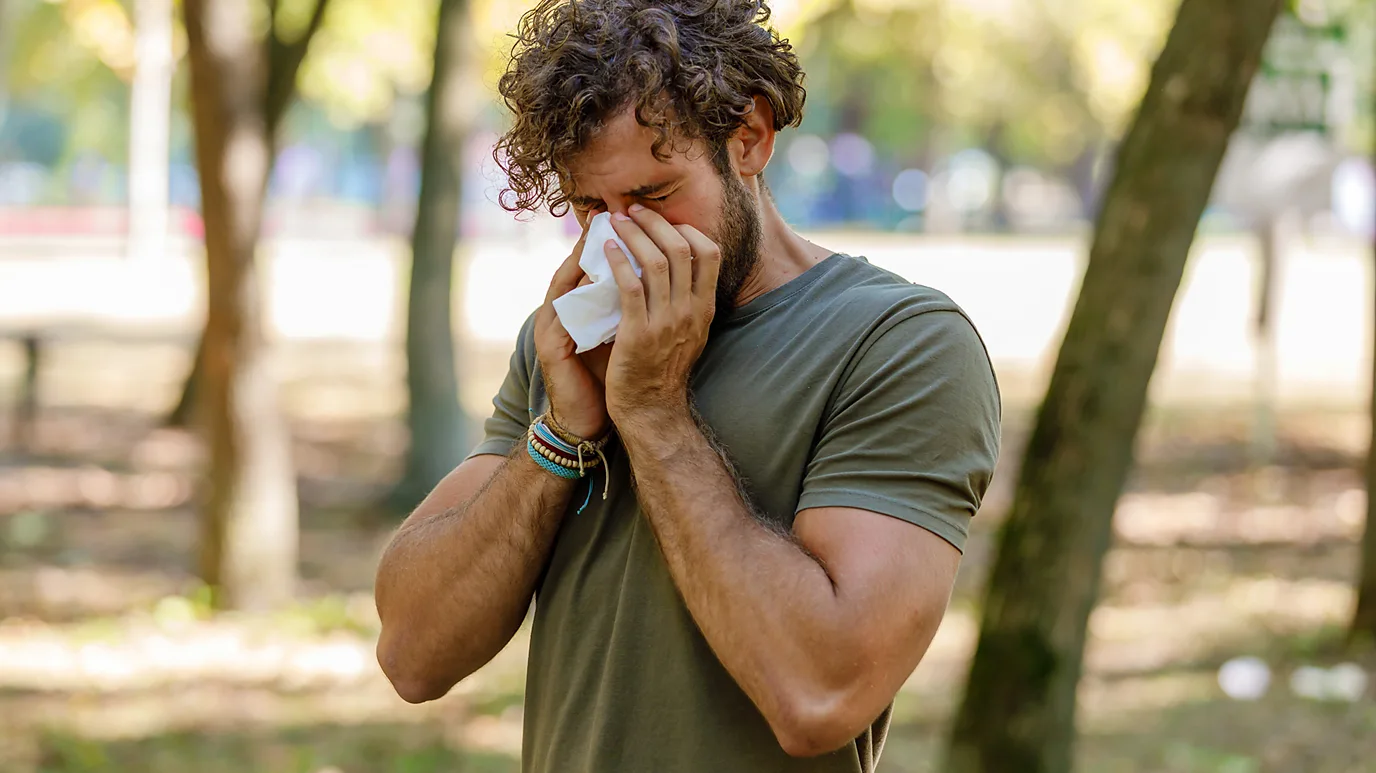
Seasonal allergy sufferers are being hit with more pollen over a longer season due to rising temperatures, but global warming is also triggering alarming extreme allergy events, say experts.
People could see the thunderstorm, but they couldn't see what was going on inside it. Trillions of pollen particles, sucked up into the clouds as the storm formed, were now being splintered by rain, lightning and humidity into ever-smaller fragments – then cast back down to Earth for people to breathe them in.
It was around 18:00 on 21 November 2016 when the air in Melbourne, Australia, turned deadly. Emergency service phone lines lit up, people struggling to breathe began flooding into hospitals, and there was so much demand for ambulances that the vehicles were unable to reach patients stuck at home. Emergency rooms saw eight times as many people turning up with breathing problems as they would normally expect. Nearly 10 times as many people with asthma were admitted to hospital.
In total, 10 people died, including a 20-year-old law student who passed away on her lawn, waiting for an ambulance while her family tried to resuscitate her. One survivor described how he had been breathing normally and then, within 30 minutes, found himself gasping for air. "It was insane," he told reporters from his hospital bed.
Paul Beggs, an environmental health scientist and professor at Macquarie University in Sydney, Australia, remembers the incident well. "It was an absolutely massive event. Unprecedented. Catastrophic," he says. "The people in Melbourne, the doctors and the nurses and the people in pharmacies – they all didn't know what was happening."